
Insights — Business — 02 Nov 2026 — 3 min read
BridgePay: when a ransomware attack on a payment provider forces shops back to cash
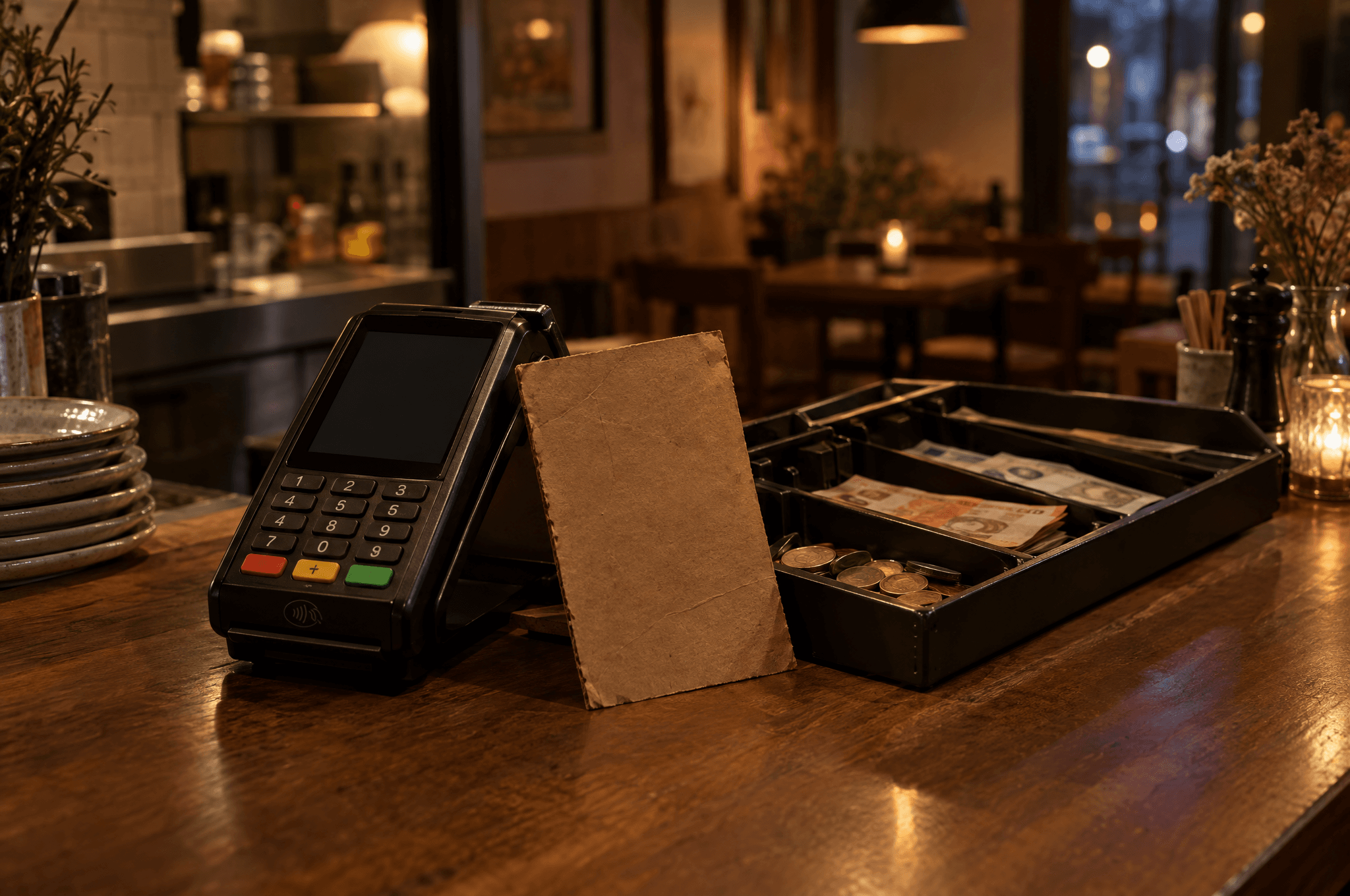
In February 2026, a ransomware attack on BridgePay, a US payment gateway, cut off card payments for merchants and city halls across the country. A lesson for every business that depends on one payment provider.
On 6 February 2026, BridgePay Network Solutions, a US payment gateway used by merchants and local governments, confirmed that a ransomware attack was behind a nationwide outage of its services.
What happened
- The payment gateway, virtual terminal, hosted payment pages and reporting tools stopped working.
- Restaurants and shops could only take cash; one Michigan restaurant reported going cash-only on Super Bowl Sunday.
- Cities in Texas, Florida and Georgia had to suspend online payments for utility bills, permits and taxes, and offer in-person or mail alternatives.
- BridgePay said no card data was compromised. The group behind the attack had not been identified when the outage was reported.
One provider, thousands of businesses stopped
The merchants were not attacked themselves. Their payment provider was. This is the same pattern as the Collins Aerospace attack on airports: when a shared supplier goes down, all its customers go down with it.
Lessons for an online store in Morocco
- Know which provider processes your payments, and how you would hear about an outage (status page, email, account manager).
- Keep an alternative ready: a second payment method, bank transfer, or cash on delivery, which many Moroccan customers already use.
- Prepare a short message for your website and social networks explaining how to pay during an outage.
- Check that your site shows a clear error rather than taking orders that cannot be paid.
Continuity is part of the customer experience
A customer who cannot pay does not wait: they buy elsewhere. Planning a fallback for payments costs little and protects sales on the day something breaks.
Never let a single provider decide whether you can sell today.
Sources: The Record, GovTech, eSecurity Planet, teiss, February 2026.
Want an online store with more than one way to pay? Tell us about your project through our estimate form: we will reply with an estimate and the next steps.
Working on something ambitious?
Start a project →